What homeowners need to know about roof warranties, mounting methods, and choosing the right installer
The Short Answer: Not If the Job Is Done Right
This is one of the most common concerns homeowners raise when considering rooftop solar, and it’s a valid one. Your roof is one of the most expensive components of your home, and the warranty protecting it represents real financial value. The good news is that in the vast majority of cases, a properly installed solar system will not void your roof warranty or cause damage to the roofing materials. The key word in that sentence is “properly.”
Problems arise when the installation is done carelessly, when the wrong mounting method is used for the roofing material, or when the installer doesn’t follow the roof manufacturer’s guidelines. Understanding how solar mounting works and what to look for in an installer puts you in a much stronger position to protect both your roof and your warranty.
How Solar Panels Are Mounted to a Roof
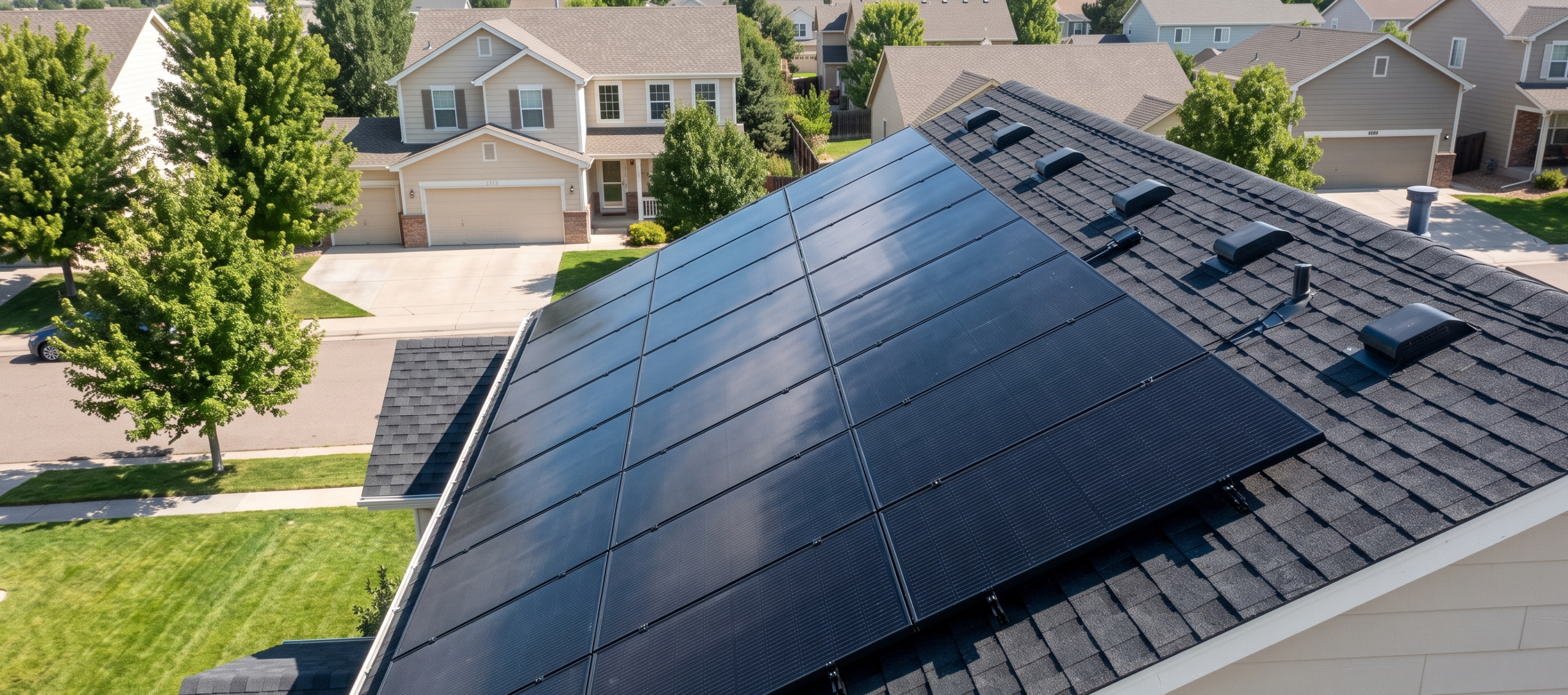
Most residential solar installations use a racking system that attaches to the roof through a series of mounting points called stanchions or lag bolts. These bolts penetrate the roofing material and anchor into the structural rafters beneath the roof deck. The panels are then secured to rails that span across the mounting points, holding the array in place.
Each penetration point is sealed with flashing, which is a piece of metal or rubber that sits beneath the surrounding shingles and directs water away from the bolt hole. When installed correctly, these flashings create a watertight seal that’s as reliable as the flashing around your existing roof vents or plumbing stacks. The penetrations themselves don’t weaken the roof any more than the existing penetrations that are already part of every standard roofing system.
Some newer mounting systems avoid roof penetrations entirely by using ballasted racks on flat roofs or adhesive-based attachments on certain roofing materials. These options are less common on typical pitched residential roofs, but they’re worth asking about if avoiding any penetrations is a priority for you.
Understanding Your Roof Warranty
Most roofs come with two separate warranties, and it’s important to understand which one could be affected by a solar installation. The first is the manufacturer’s material warranty, which covers defects in the roofing materials themselves, such as premature cracking, curling, or granule loss. This warranty typically lasts twenty-five to fifty years depending on the product. The second is the workmanship warranty from the roofing contractor who installed your roof, which covers installation-related issues like improper flashing, poor sealing, or incorrect nailing patterns. This warranty usually runs five to twenty-five years.
A solar installation is most likely to interact with the workmanship warranty rather than the material warranty. If your solar installer penetrates the roof improperly and a leak develops, that’s an installation issue, not a material defect. The roofing manufacturer has no obligation to cover damage caused by a third party’s work on the roof. However, the material warranty should remain intact for any issues unrelated to the solar installation, such as a manufacturing defect on a section of the roof where no panels are mounted.
What Can Actually Void Your Warranty
A roof warranty is typically only affected if the solar installation directly causes damage to the roofing system. The scenarios that create warranty problems are almost always related to poor workmanship by the solar installer rather than the presence of the panels themselves:
- Mounting bolts placed into the roof deck rather than into structural rafters, which can cause sagging or water penetration
- Improper or missing flashing around penetration points that allows water to enter beneath the shingles
- Walking on or cracking shingles during installation without replacing the damaged material
- Using mounting hardware that isn’t compatible with the specific roofing material on your home
- Installing panels on a roof that’s already in poor condition, which accelerates existing deterioration
None of these problems are caused by solar panels themselves. They’re caused by installers who don’t treat the roof with the care it requires. A qualified solar installer understands roofing systems and takes precautions to preserve the integrity of every surface they touch.
Your Roof’s Age and Condition Matter
The U.S. Department of Energy’s step-by-step guide for going solar notes that a solar installer, roofing expert, or structural engineer can help determine your roof’s suitability for solar, and that it can often save money to install solar at the same time as a roof replacement if your roof is nearing the end of its life.
This is an important consideration. If your roof only has five to ten years of useful life remaining, installing solar panels on top of it means you’ll eventually need to pay for the panels to be removed, the roof replaced, and the panels reinstalled. That adds significant cost and disruption. Most reputable solar companies will assess your roof’s condition before proposing an installation and will recommend a roof replacement first if the existing roof doesn’t have enough life left to match the solar system’s twenty-five-year production timeline.
On the other hand, if your roof is relatively new and in good condition, a solar installation should have no negative effect on its performance or warranty. In fact, the panels can actually provide some protection to the shingles beneath them by shielding that area from direct UV exposure, hail, and heavy rain.
The Solar Installer’s Workmanship Warranty
In addition to your existing roof warranty, your solar installer should provide their own workmanship warranty that specifically covers any roof-related issues caused by the installation. This warranty typically lasts ten to twenty-five years depending on the company and covers leaks, flashing failures, or other problems that result from the mounting process.
This is a critical piece of protection. If a leak develops around a mounting point three years after installation, the solar company’s workmanship warranty is what covers the repair, not your roofing contractor’s warranty. If your solar installer doesn’t offer a workmanship warranty that explicitly includes roof penetration coverage, that should be a significant red flag.
Ask for the warranty terms in writing before signing any contract, and make sure you understand which party is responsible for what. The solar installer covers damage caused by their work. The roofing manufacturer covers material defects. The roofing contractor covers their original installation workmanship. When all three are in place, you have comprehensive protection.
How to Protect Your Warranty Before Installation
A few steps taken before the solar installation begins can eliminate virtually all warranty risk:
- Contact your roofing manufacturer and ask whether solar panel installation affects your material warranty, and request any specific guidelines they require installers to follow
- Contact your roofing contractor and ask whether the solar installation will affect your workmanship warranty, and whether they need to be involved in or informed about the process
- Choose a solar installer who is certified through the North American Board of Certified Energy Practitioners, which the Department of Energy identifies as the industry-standard certification for solar installers
- Verify that your solar installer carries adequate liability insurance and provides a written workmanship warranty covering roof penetrations
- Have your roof professionally inspected before the solar installation to document its current condition and confirm it’s suitable for panels
According to ENERGY STAR, it’s important to understand the regulations in your area and to know your electricity usage before going solar. That same due diligence applies to understanding your warranty coverage. A small amount of research upfront prevents costly misunderstandings later.
The Bottom Line
Solar panels don’t damage roofs and don’t void warranties when the installation is done by a qualified professional who follows the roofing manufacturer’s guidelines. The risk isn’t in the panels. It’s in the installer. Choose a company with NABCEP certification, a strong workmanship warranty, proper insurance, and a track record of clean installations, and your roof will be just as protected with panels on it as it was without them.
If your roof is in good shape and has at least fifteen to twenty years of life remaining, there’s no warranty reason to delay going solar. If your roof is nearing the end of its lifespan, replacing it first and then installing solar is the smarter sequence. Either way, the warranty concern is entirely manageable with the right installer and a few straightforward conversations before work begins.
Want to Go Solar Without Worrying About Your Roof?
Get a free quote with certified solar professionals who assess your roof first and protect your warranty every step of the way.
Get Your Free Quote