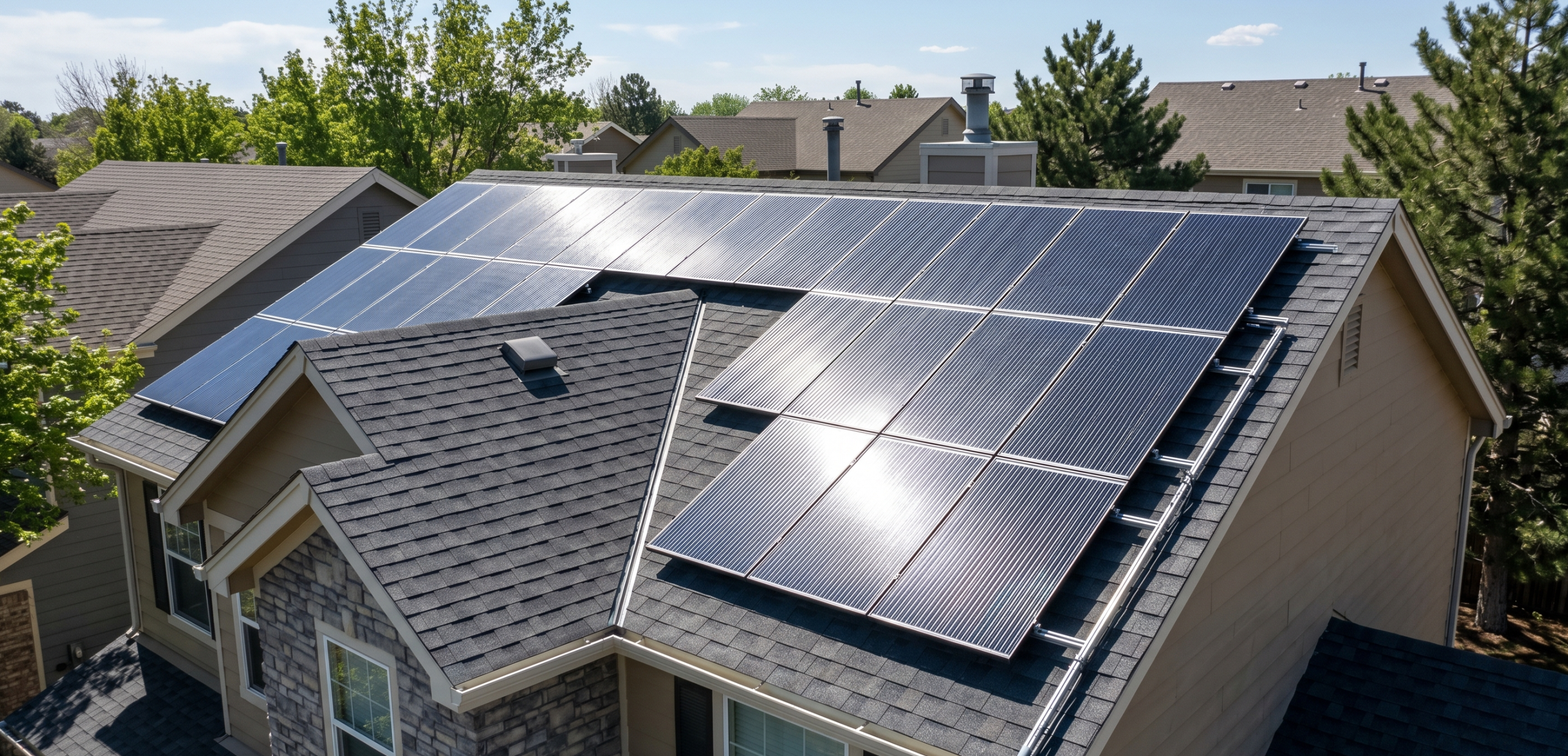
Solar incentives in 2026 can still include federal tax benefits, state and utility programs, net metering, and local rebates depending on where you live.
If you are asking what solar incentives are available in 2026, the answer depends on your location, tax situation, utility provider, and the type of solar project you install. In most cases, homeowners should look at four main categories: federal tax incentives, state or local rebates, utility-based incentives, and net metering or bill credit policies.
Some incentives reduce your upfront cost. Others improve long-term savings after the system is installed. That distinction matters because two homeowners in different states may get very different value from going solar, even if they install similar systems.
In 2026, the best way to think about incentives is not as one single program, but as a stack of possible savings. The federal piece often gets the most attention, but state programs, utility policies, and battery-related benefits can also make a major difference.
The Federal Solar Tax Credit
The federal incentive most homeowners know best is the Residential Clean Energy Credit. According to the IRS guidance on the Residential Clean Energy Credit, qualified homeowners may claim a federal tax credit for eligible solar electric property, solar water heating property, and certain battery storage technology. This credit has historically been one of the biggest financial drivers behind residential solar adoption.
That said, federal incentives can change based on legislation, tax rules, and project timing. That is why homeowners should confirm current eligibility before signing a contract, especially if they are relying on the credit to make the project affordable. A credit also is not the same thing as a rebate. It generally reduces tax liability rather than acting like an immediate discount at checkout.
For homeowners with enough tax liability to benefit, this can still represent meaningful savings. But if your tax situation is more limited, state and utility incentives may matter even more.
State, Local, and Utility Incentives
Beyond the federal credit, many homeowners find additional value through state-level programs, city incentives, or utility company offerings. These can include rebates, performance-based incentives, sales tax exemptions, property tax exemptions, low-interest financing, or battery-specific programs.
The challenge is that these programs vary widely and can change often. Some are generous and easy to access. Others are limited by annual funding, utility territory, or local eligibility rules. That is why location is such a big factor in solar economics.
One of the best nationwide starting points is DSIRE, the Database of State Incentives for Renewables & Efficiency, which tracks federal, state, local, and utility policies across the United States. It is especially useful for comparing what is available in a specific state or utility service area.
For example, one homeowner may qualify for a state tax credit and net metering, while another may instead have access to a utility rebate or battery incentive. That is why blanket statements about “the” solar incentive in 2026 are often misleading.
Net Metering and Bill Credits
Net metering is not always framed as an incentive, but for many homeowners it is one of the most important financial benefits of going solar. Under a net metering or similar billing arrangement, excess electricity your system sends to the grid may earn credits that offset future energy use.
How valuable that is depends on your utility’s rules. Some utilities offer close to full retail credit for excess generation. Others use lower export compensation rates or alternative billing structures. In practical terms, two identical solar systems can perform very differently financially depending on the utility policy behind them.
That means homeowners should not judge incentives based only on tax credits or rebates. Long-term utility savings often have just as much impact, especially over the life of the system.
Battery Incentives in 2026
Battery storage is becoming a more important part of the incentive conversation. In some markets, adding a battery can improve resilience during outages, help manage utility rate structures, or qualify the homeowner for additional benefits. In other areas, batteries may still be more of a lifestyle or backup-power upgrade than a purely financial one.
Battery-related incentives can come from state programs, utility demand-response offerings, or federal rules if the equipment qualifies. The exact structure varies, but homeowners considering solar in 2026 should not ignore storage. In the right market, it can materially improve the value of the system.
The Department of Energy’s guide to planning a home solar electric system also emphasizes looking at your roof condition, energy use, available sunlight, and system design before moving forward. Incentives matter, but the project still has to make sense for the home itself.
Common Types of Solar Incentives Homeowners May See
Depending on where you live, incentives in 2026 may include:
- Federal clean energy tax credits
- State tax credits or deductions
- State, county, or city rebates
- Utility cash rebates
- Net metering or solar buyback credits
- Battery storage incentives
- Sales tax exemptions on solar equipment
- Property tax exclusions for added home value
Not every homeowner will qualify for every item on that list. Some programs stack together, while others do not. Some are automatic, while others require applications, inspection sign-off, or utility approval.
What Homeowners Should Watch Out For
One common mistake is assuming every advertised “solar incentive” is a government-backed rebate. Sometimes the term is used loosely in marketing and may refer to financing arrangements, promotional discounts, or utility billing assumptions rather than a direct public incentive.
Another issue is timing. Incentives can have funding caps, filing deadlines, or step-down schedules. Waiting too long can change the economics of the project. On the other hand, rushing into a system without understanding eligibility can also lead to disappointment.
It is also smart to separate guaranteed benefits from estimated savings. A tax credit with clear rules is different from a projected power bill reduction that depends on future usage and utility rates. Good solar proposals explain both clearly.
How to Find the Incentives That Actually Apply to You
The best approach is simple: start with your address, utility provider, and tax situation. From there, look at federal eligibility, then state and local programs, then utility billing rules. If you are considering a battery, review whether storage has separate incentives in your area.
Ask direct questions before signing anything:
- Which incentives are confirmed versus estimated?
- Are these rebates, tax credits, or bill credits?
- Who files the paperwork?
- Do the incentives expire or have funding limits?
- How do utility export rules affect long-term savings?
That process gives you a much clearer picture than relying on a generic national average or sales pitch.
Final Answer
In 2026, solar incentives may include the federal Residential Clean Energy Credit, state and local rebates, utility incentives, net metering or export credits, and in some markets, battery-related programs. The exact mix depends heavily on where you live and how your project is structured.
The smartest move is to treat solar incentives as a location-specific package rather than a single program. When you combine federal eligibility, local incentives, and utility policy, you get the real financial picture.
Want to See What Solar Incentives Apply to Your Home?
If you are considering solar, we can help you understand which incentives may apply in your area and what they could mean for your total project cost. It is an easy way to get clarity before making a decision.
Check Local Solar Savings